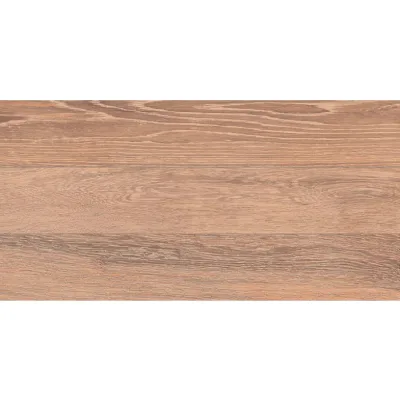
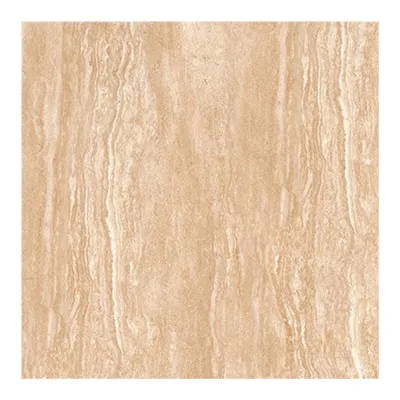
Porcelain tile is the default choice for a bathroom for good reason: it is fired at a high temperature, barely absorbs water and holds up for years of foot traffic on a wet floor. But not every porcelain tile suits every spot in the bathroom — the box label carries three specs worth reading before you pay.
Water resistance
Water absorption is given as a percentage, and the lower it is, the denser and more resistant to a wet room the tile is. For a bathroom, look for a value under 0.5% — the class that proper porcelain tile falls into. Wall ceramic absorbs more water, but the load there is different: a wall is never stepped on.
Wear class (PEI)
The PEI class shows how much abrasion the surface can take before it loses its finish. For a bathroom, where people walk barefoot or in slippers with no grit on their soles, PEI class II–III is plenty. A higher class matters for a kitchen, a hallway or a commercial space, not a bathroom.
Slip resistance
The friction coefficient R runs from R9 (lowest) to R13. For a dry bathroom floor, R9–R10 is fine, but if the floor is exposed to running water — in front of a doorless shower, for example — look for R10 or R11. Manufacturers print the class on the box; if it is missing, ask in store before buying the full quantity.
The short checklist
- Water absorption under 0.5% for floors and walls in wet zones.
- PEI II or III is enough for a home bathroom.
- R10 or higher friction rating around the shower.
- The same calibre (size) across every box from one batch.
If you are torn between two products, bring the room's measurements to the store — we will help you pick a tile that meets all three specs and your budget.